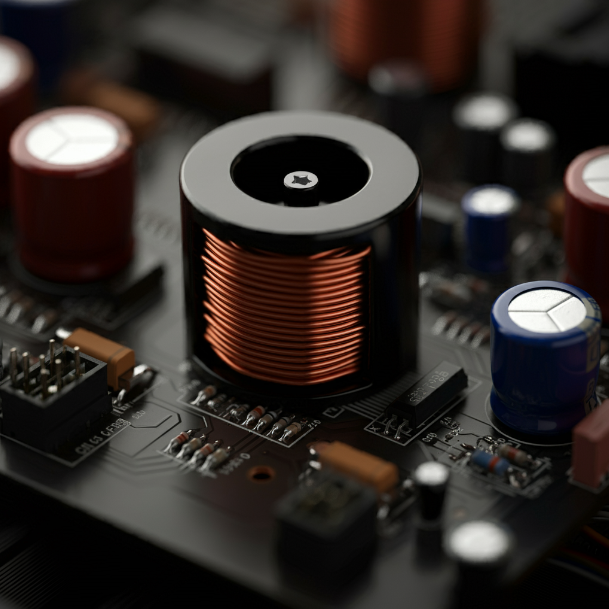
Examining the Limitations of Power over Ethernet (PoE) Transformers
2024-06-25
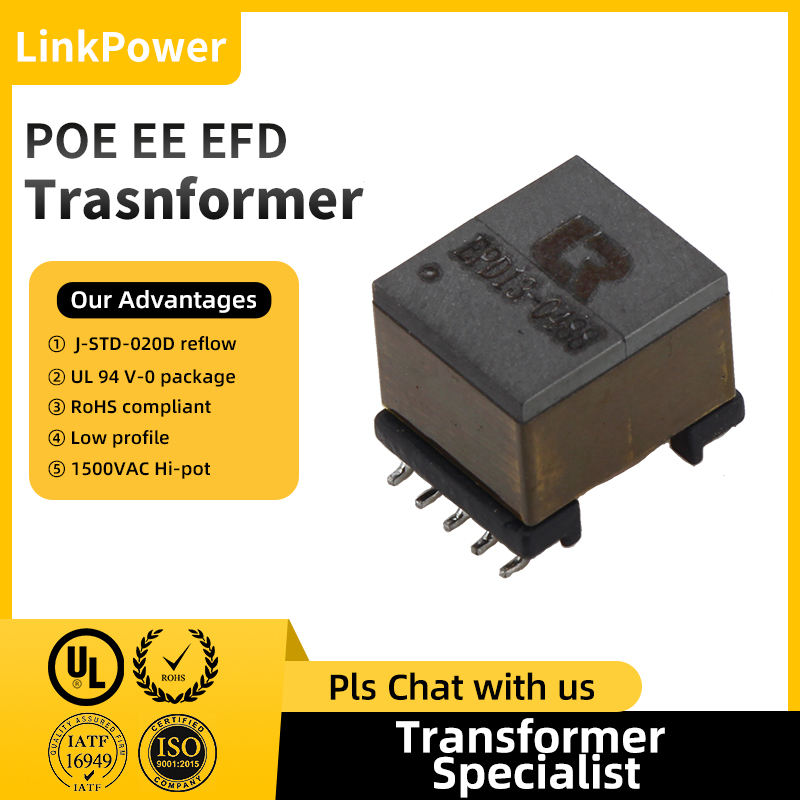
Power transmission and distance limitations
A significant limitation of PoE transformers is their ability to transmit power, especially over long distances. Standard PoE (IEEE 802.3af) and PoE+ (IEEE 802.3at) can provide up to 15.4W and 30W of power, respectively, which may be insufficient for devices requiring higher power, such as PTZ (pan-tilt-zoom) cameras or certain types of wireless access points. Even with the advent of PoE++ (IEEE 802.3bt), which provides up to 60W or 100W of power, the effective power transfer is reduced over longer cable lengths (typically no more than 100 metres). This distance limitation necessitates additional infrastructure investments such as PoE extenders or intermediate jumper injectors to maintain performance over a wider deployment range.
Heat Dissipation and Efficiency Issues
Another key issue is heat dissipation.PoE transformers, especially those handling higher power, generate a lot of heat. This not only affects the efficiency of the power supply, but also poses a potential risk to PoE devices and infrastructure. Overheating can lead to thermal throttling, shortening the operational life of connected devices and requiring the implementation of cooling solutions, adding to the overall cost and complexity of a PoE installation.
Compatibility and standardisation issues
Compatibility and standardisation is also a prominent issue. Power requirements vary from device to device, and the presence of multiple PoE standards can lead to compatibility issues. Devices that do not conform to the same PoE standards as the transformer may experience power negotiation failures, which can lead to connectivity issues or device failure. Ensuring compatibility between devices and infrastructure components is critical to achieving reliable PoE network performance, but it often requires careful planning and thorough testing, which increases deployment time and cost.
Electromagnetic Interference (EMI) and Safety Implications
Electromagnetic interference (EMI) also poses a challenge for PoE systems, especially in environments with high levels of electrical noise.EMI can interfere with data transmission, leading to signal degradation and communication errors. In addition, PoE networks can present unique security challenges due to the combination of data and power functions. Unauthorised access to PoE-enabled devices can compromise power supply and data integrity, so strong security measures are required during PoE implementations.
Electromagnetic interference (EMI) also poses a challenge for PoE systems, especially in environments with high levels of electrical noise.EMI can interfere with data transmission, leading to signal degradation and communication errors. In addition, PoE networks can present unique security challenges due to the combination of data and power functions. Unauthorised access to PoE-enabled devices can compromise power supply and data integrity, so strong security measures are required during PoE implementations.
Industry Response and Future Developments
The industry is actively addressing these limitations through ongoing research and innovation. Current efforts are focused on developing more efficient PoE transformers, enhancing thermal management, improving power transfer capabilities, and improving EMI shielding. Standardisation bodies are also working to develop more harmonised PoE standards to ensure greater compatibility and interoperability between devices and systems.
Emerging technologies are being explored, such as smart PoE solutions that dynamically adjust power delivery based on device requirements to optimise efficiency and performance. These advancements are designed to address current limitations while expanding the potential applications of PoE technology.
In conclusion, while Power over Ethernet remains an important technology for network deployments, understanding and addressing its limitations is critical to maximising its effectiveness. The industry's commitment to overcoming these challenges will be key to the success and wider adoption of PoE solutions in the future.
Power over Ethernet (PoE) Transformers in Action - Case Study
Breaking New Ground: Advances in PoE Transformer Technology Expand Maximum Distance Capabilities
Related Article
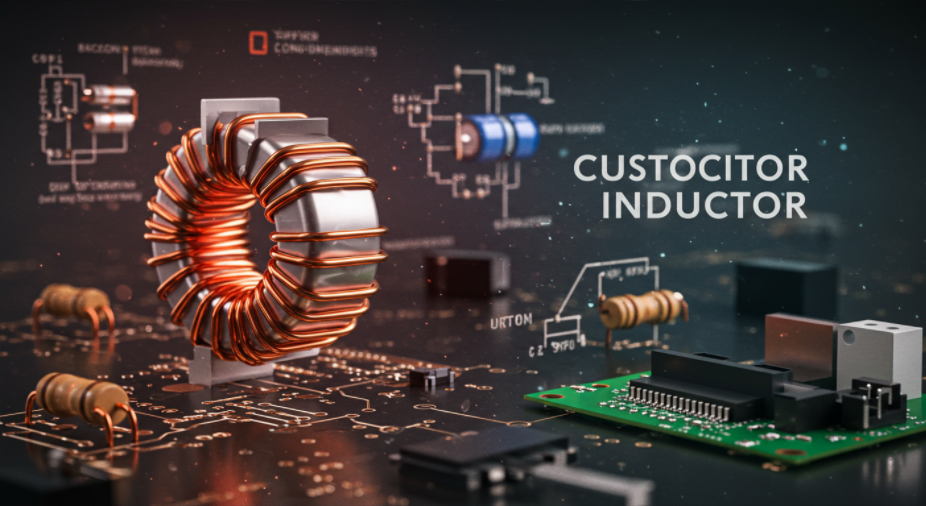
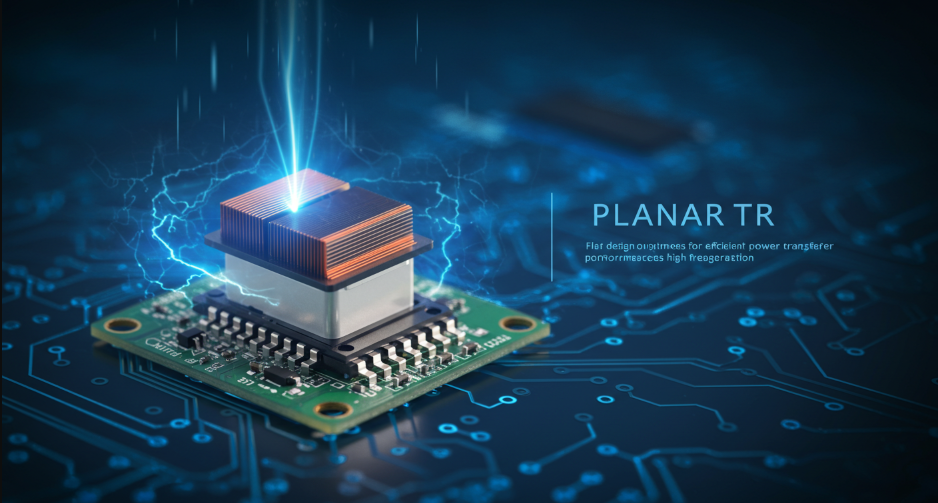
In the design field of high - frequency transformers and inductors, the introduction of an air gap in the magnetic core is a crucial yet delicate technique that requires careful trade - offs. The presence of an air gap not only significantly impacts magnetic properties but also has close relations with thermal stability and efficiency.
Air - Gap Design in High - Frequency Transformers: Trade - offs among Magnetic, Thermal, and Efficiency Aspects