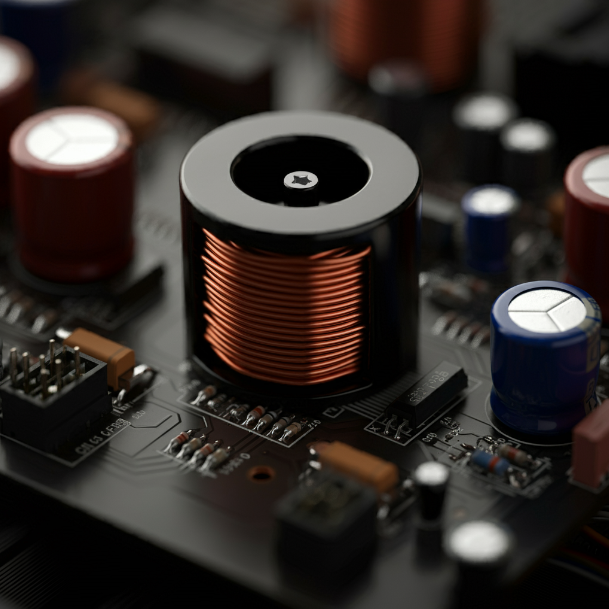
Flyback Transformers: Improving the Efficiency of Modern Power Systems
2024-07-04
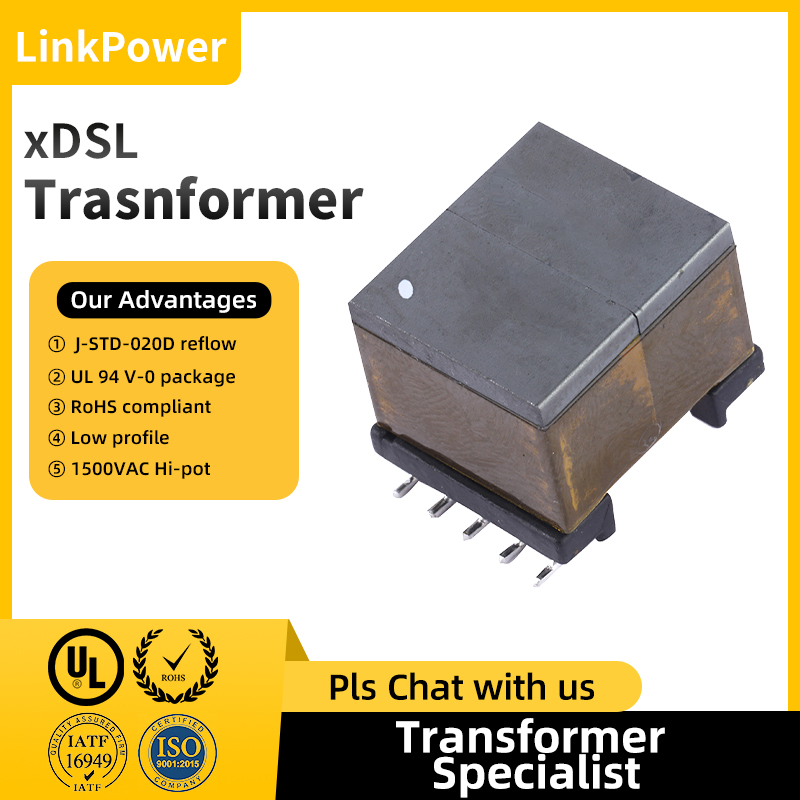
Function of Flyback Transformers
Flyback transformers operate according to the flyback principle, where energy is stored in the magnetic field of the transformer core during the 'on' phase and then released to the output during the 'off' phase. This mode of operation has several advantages
High efficiency: Flyback transformers enable efficient energy transfer with minimal losses, which is critical for power-sensitive applications.
Voltage Isolation: Flyback transformers provide excellent voltage isolation between input and output, increasing the safety and reliability of power systems.
Versatility: Flyback transformers are capable of handling a wide range of input and output voltages, making them suitable for applications ranging from low-power equipment to high-power industrial systems.
Voltage Isolation: Flyback transformers provide excellent voltage isolation between input and output, increasing the safety and reliability of power systems.
Versatility: Flyback transformers are capable of handling a wide range of input and output voltages, making them suitable for applications ranging from low-power equipment to high-power industrial systems.
Advances in Flyback Transformer Technology
Improved Core Materials: The development of advanced core materials such as ferrite and nanocrystalline alloys has greatly improved the performance of flyback transformers. These materials offer lower core losses and higher permeability for efficient operation at high frequencies.
Optimised winding technology: Innovative winding technologies, including multilayer and planar windings, reduce leakage inductance and improve coupling efficiency. These advances improve the performance of flyback transformers, especially in high frequency applications.
Thermal Management: Enhanced thermal management solutions, such as advanced cooling systems and thermally conductive materials, ensure that flyback transformers can withstand higher power densities without overheating. Effective heat dissipation is critical to maintaining reliability and performance.
Miniaturisation and integration: Advances in semiconductor technology and circuit design have enabled flyback transformers to be integrated into compact integrated power modules. This miniaturisation helps to develop smaller and more efficient electronic devices.
Cross-Industry Applications
Flyback transformers are indispensable for a wide range of applications in a variety of industries:
Consumer electronics: Efficient, compact power supplies for devices such as smartphones, tablets and laptops.
Telecommunications: Providing reliable voltage conversion for network equipment, routers and base stations to support high-speed communication networks.
Industrial Automation: Ensuring efficient power management for control systems, robots and other industrial equipment.
Medical: Ensure safety and reliability by powering sensitive medical equipment with precise voltage conversion and isolation.
Renewable Energy: Enabling efficient power conversion in solar inverters, wind turbine systems and energy storage solutions.
Telecommunications: Providing reliable voltage conversion for network equipment, routers and base stations to support high-speed communication networks.
Industrial Automation: Ensuring efficient power management for control systems, robots and other industrial equipment.
Medical: Ensure safety and reliability by powering sensitive medical equipment with precise voltage conversion and isolation.
Renewable Energy: Enabling efficient power conversion in solar inverters, wind turbine systems and energy storage solutions.
Future trends in flyback transformer technology
There are several key trends for the future of flyback transformer technology:
Higher frequencies: Ongoing research aims to push the operating frequency limit even higher, enabling further miniaturisation of power supplies and improving performance.
Smart transformers: Integration with digital monitoring systems for real-time diagnostics, predictive maintenance and optimised performance.
Eco-design: Development of environmentally friendly materials and manufacturing processes to reduce the ecological impact of flyback transformers.
Wide Bandgap Semiconductors: Achieve higher efficiency and performance in power conversion applications with wide bandgap semiconductor materials such as silicon carbide (SiC) and gallium nitride (GaN).
Smart transformers: Integration with digital monitoring systems for real-time diagnostics, predictive maintenance and optimised performance.
Eco-design: Development of environmentally friendly materials and manufacturing processes to reduce the ecological impact of flyback transformers.
Wide Bandgap Semiconductors: Achieve higher efficiency and performance in power conversion applications with wide bandgap semiconductor materials such as silicon carbide (SiC) and gallium nitride (GaN).
Conclusion
Flyback transformers play a vital role in modern power systems, providing efficient voltage conversion, isolation and compact design. Advances in core materials, winding technology, thermal management and miniaturisation have driven improvements in flyback transformer performance and efficiency to meet the demands of increasingly complex electronic devices and systems.
Step-up transformers: Powering future high-voltage applications
High Voltage Transformers: Driving Innovation and Reliability in Power Transmission
Related Article
In the design field of high - frequency transformers and inductors, the introduction of an air gap in the magnetic core is a crucial yet delicate technique that requires careful trade - offs. The presence of an air gap not only significantly impacts magnetic properties but also has close relations with thermal stability and efficiency.
Air - Gap Design in High - Frequency Transformers: Trade - offs among Magnetic, Thermal, and Efficiency Aspects