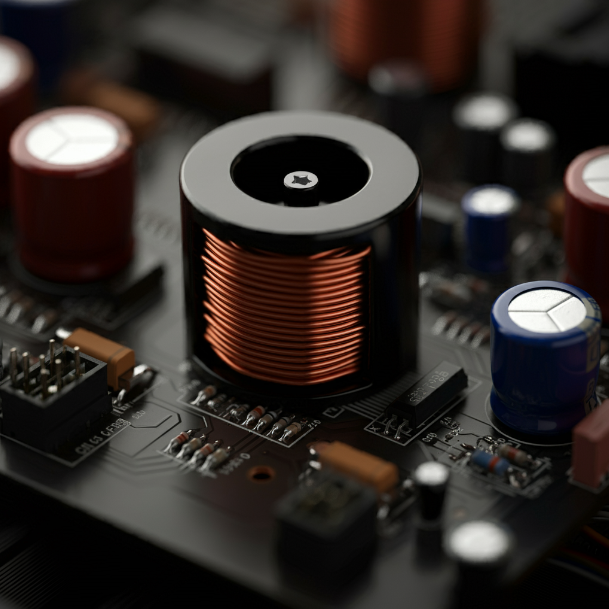
Advances in PoE Transformer Technology Improve Network Efficiency
2024-07-29
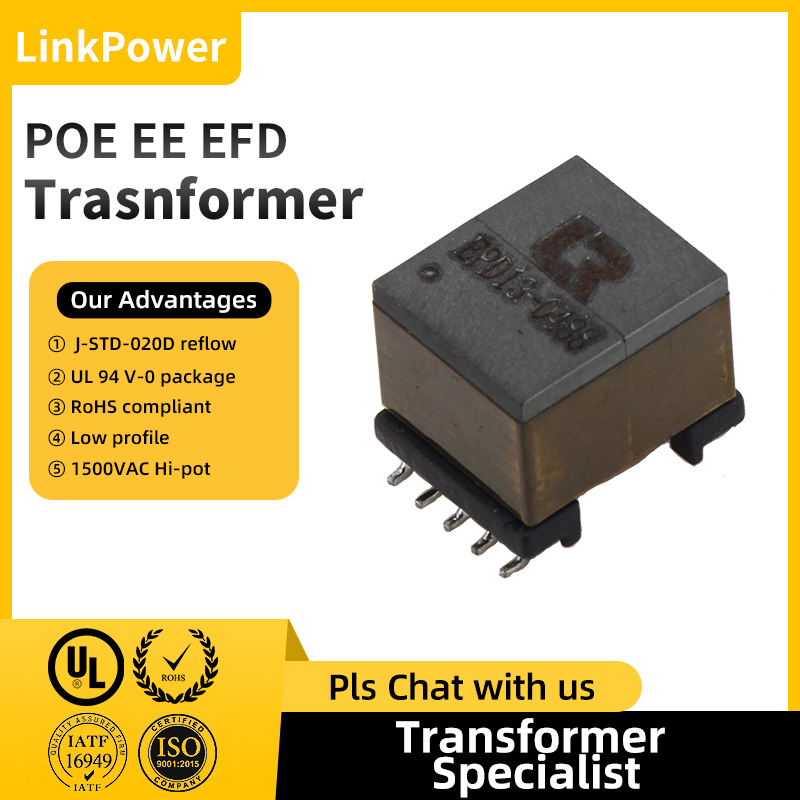
In recent years, Power over Ethernet (PoE) technology has revolutionised network infrastructures by enabling the transmission of both data and power over a single Ethernet cable.The latest developments in PoE transformers have further enhanced this capability, providing greater efficiency, better performance and greater flexibility for network installations.
Manufacturers are working to reduce the size of PoE transformers and increase their power output. New materials and innovative designs are making transformers more compact and efficient, capable of delivering higher power levels while keeping heat dissipation low. This is critical to support the growing demand for high-power devices such as wireless access points, IP cameras and VoIP phones.
A significant advancement is the introduction of higher wattage PoE transformers that can support up to 100 watts of power compared to the traditional 30 watts. This leap in power capacity is significant for powering more demanding devices and for future network installations.
In addition, the increased efficiency of the PoE transformer reduces energy consumption and business operating costs. Enhanced thermal management ensures that these transformers operate reliably in a variety of environments, further broadening their application scope.
As the use of PoE technology continues to expand, the development of more efficient and powerful PoE transformers will play a key role in supporting next-generation network infrastructures.
Advances in Inductor Technology Take Electronic Devices to New Heights
Innovative common mode choke for enhanced noise rejection
Related Article
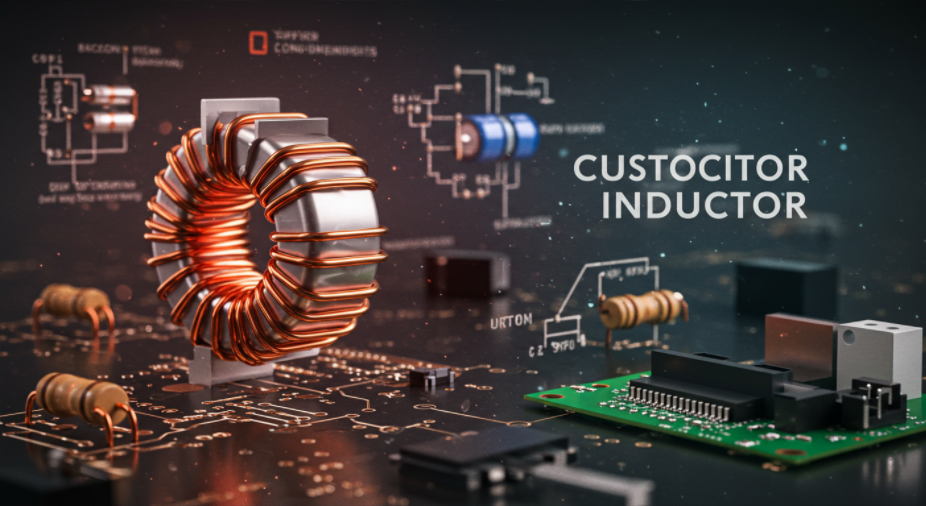
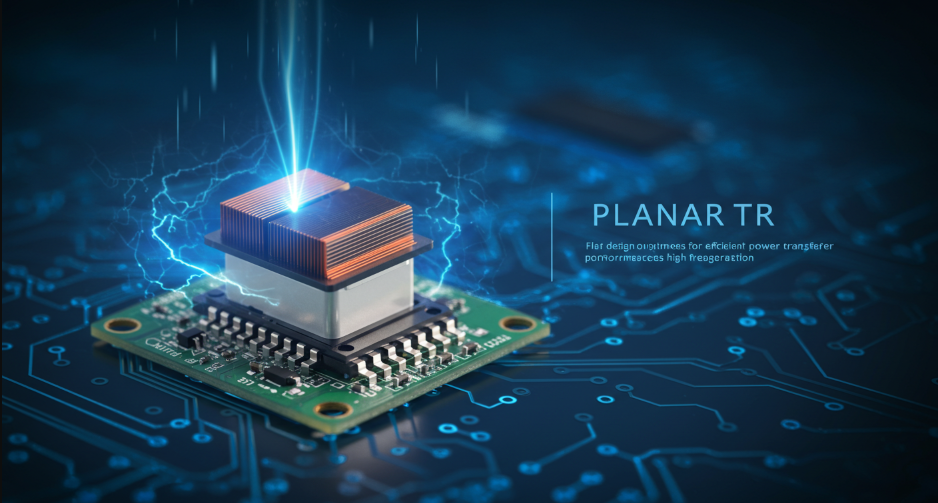
In the design field of high - frequency transformers and inductors, the introduction of an air gap in the magnetic core is a crucial yet delicate technique that requires careful trade - offs. The presence of an air gap not only significantly impacts magnetic properties but also has close relations with thermal stability and efficiency.
Air - Gap Design in High - Frequency Transformers: Trade - offs among Magnetic, Thermal, and Efficiency Aspects