Breaking New Ground: Advances in PoE Transformer Technology Expand Maximum Distance Capabilities
2024-06-24
Extending PoE Distance Limits
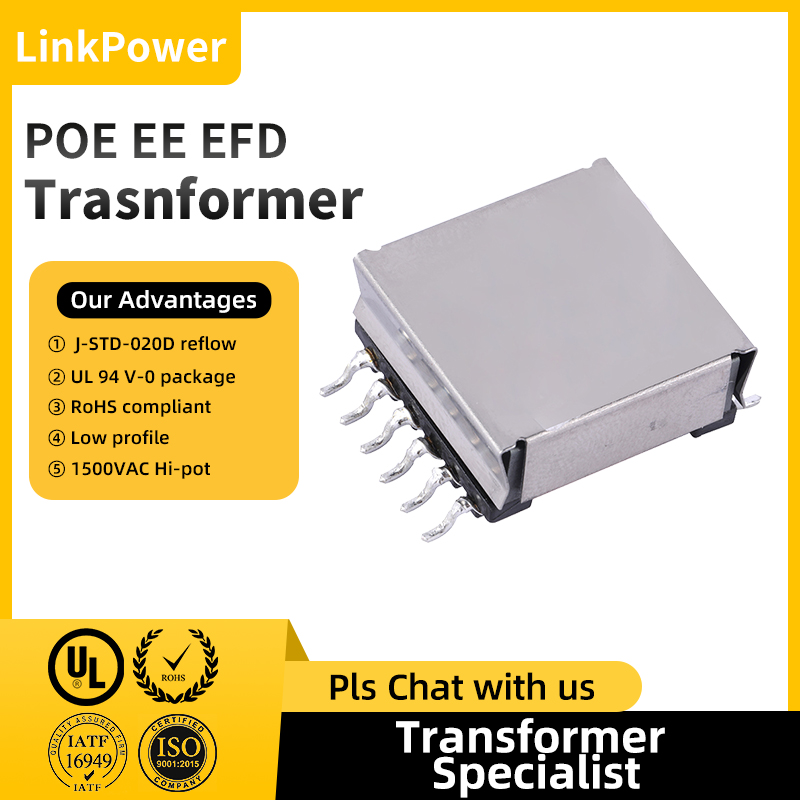
Traditionally, PoE systems have been capped at a maximum cable length of 100 metres (328 feet) as defined by the IEEE 802.3 standard. This limitation poses a significant challenge for installations that require longer cables, such as large commercial complexes, industrial facilities, and extensive outdoor networks. However, recent advances in PoE transformer technology will break down this barrier, extending cable lengths while maintaining optimal performance.
Cutting-edge transformer technology
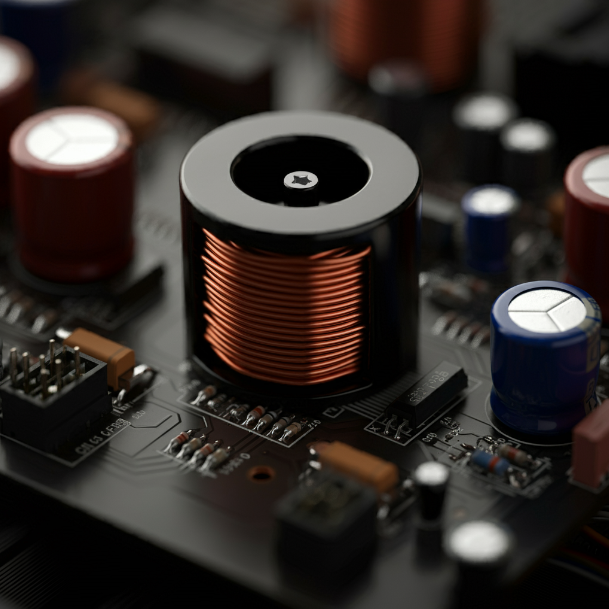
Advances in transformer technology are driving these changes, including the use of highly efficient magnetic materials, innovative winding techniques and optimised core designs. Together, these elements enhance power transfer and reduce losses over long distances.
High-efficiency magnetic materials: Nanocrystalline cores offer superior magnetic properties compared to traditional ferrite cores. These materials have lower core losses and higher permeability for efficient power transmission over longer distances.
Innovative winding technology: Improved winding methods reduce resistance and inductance, minimising energy dissipation and maintaining power integrity over longer cable lengths.
Optimised core design: Advanced core geometries and configurations maximise magnetic coupling efficiency, ensuring consistent power transfer over longer distances.
Practical Applications and Benefits
These advances will transform PoE deployments in a variety of real-world scenarios:
Commercial Buildings: In large office complexes and campuses, extending PoE cable lengths simplifies the network architecture by reducing the need for intermediate power supplies and signal boosters. This not only reduces installation costs, but also improves overall system reliability by reducing potential points of failure.
Industrial Environments: In expansive industrial environments, longer cables help deploy PoE-enabled devices, such as surveillance cameras, access control, and environmental sensors, over longer distances. This improves coverage and operational efficiency.
Outdoor applications: For outdoor installations such as lighting, security systems and remote sensors, powering devices over longer distances without additional infrastructure simplifies installation and reduces maintenance complexity.
Industry Applications and Future Outlook
The industry's response to these advances has been very positive. Manufacturers are rapidly integrating new transformer technologies into their PoE product lines, and early adopters are already experiencing the benefits of these technologies in their PoE deployments. As these technologies become more widely adopted, it is expected that industry standards will evolve to reflect enhanced functionality.
Looking ahead, continued research and development in transformer technology will lead to higher efficiencies and longer cable transmission distances. These advances will not only enhance existing PoE applications, but also open up new possibilities in areas such as smart grids, renewable energy systems and autonomous transport networks.
Conclusion
Breakthroughs in PoE transformer technology to extend maximum cable lengths represent a major leap forward for the industry. By overcoming a fundamental limitation of PoE systems, these innovations promise to enhance connectivity, reduce costs, and improve the reliability of connected devices. As the adoption of this technology grows, we can expect to see a wider and more versatile range of PoE applications, driving the next wave of digital transformation across industries.
Examining the Limitations of Power over Ethernet (PoE) Transformers
Breaking Boundaries: Innovations in PoE Transformer Technology Extend Maximum Cable Lengths
Related Article
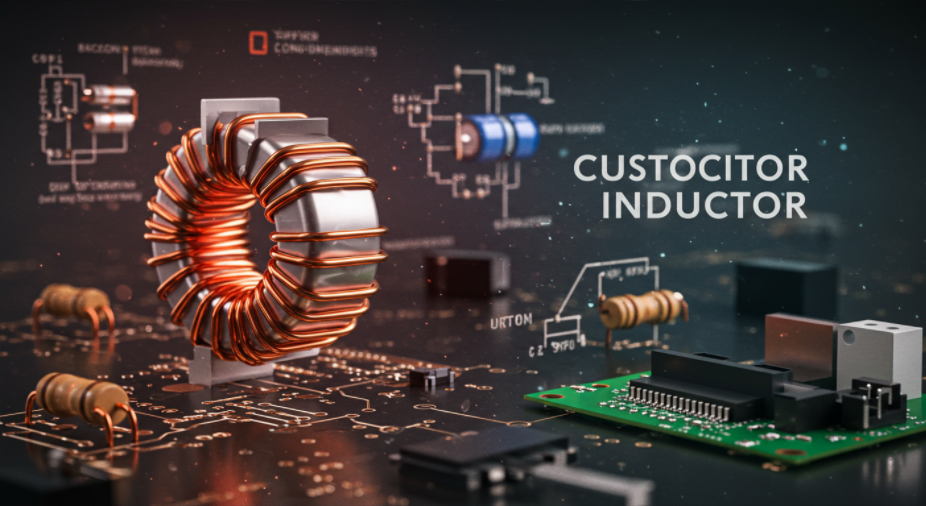
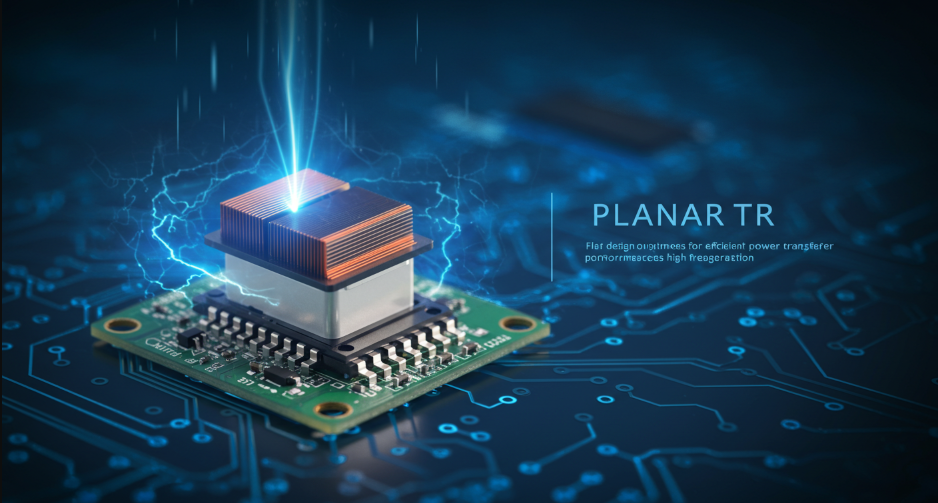
In the design field of high - frequency transformers and inductors, the introduction of an air gap in the magnetic core is a crucial yet delicate technique that requires careful trade - offs. The presence of an air gap not only significantly impacts magnetic properties but also has close relations with thermal stability and efficiency.
Air - Gap Design in High - Frequency Transformers: Trade - offs among Magnetic, Thermal, and Efficiency Aspects