
Innovations in Network Power Transformers: Improving Efficiency and Reliability
2024-06-28

Technological Advances
Recent technological advances have greatly increased the capabilities and efficiency of network power transformers:
Higher efficiency: Modern network power transformers are designed with advanced materials and optimised core geometries to reduce losses and increase energy efficiency. This reduces operating costs and heat generation, which is essential for maintaining system reliability.
Compact and lightweight design: Innovations in materials and manufacturing techniques have resulted in more compact and lighter transformers. These smaller form factors are critical for integrating power transformers into tight spaces in network equipment and data centres.
Enhanced Thermal Management: Effective thermal management is critical for network power transformers, especially in high-density applications. Advanced cooling solutions, such as improved heat sinks and innovative airflow designs, help maintain optimal operating temperatures and extend the life of the transformer and associated network equipment.
High Frequency Operation: The shift to higher frequency operation of power transformers has resulted in smaller, more efficient designs. High-frequency transformers are able to handle higher power levels while maintaining a compact size, making them ideal for modern network infrastructures.
Increased reliability and durability: Today's network power transformers are able to withstand harsh environmental conditions and fluctuating power demands. Enhanced insulation materials and robust construction techniques ensure long-term reliability and durability, which is essential for maintaining network uptime.
Market Trends and Impact
The network power transformer market is expanding, driven by several key trends:
Growth of Data Centres: The exponential growth of data centres supporting cloud computing, big data, and artificial intelligence applications is driving the demand for efficient power management solutions. Network power transformers play a vital role in ensuring reliable power distribution in these facilities.
5G Network Expansion: The rollout of 5G technology requires advanced network infrastructures capable of handling higher data rates and increased power demands. Network power transformers are critical to support the power needs of 5G base stations and related equipment.
Proliferation of IoT devices: More and more IoT devices are connecting to the network, requiring robust power solutions to ensure uninterrupted operation. Network power transformers provide the reliable power these devices need to operate efficiently.
Emphasis on Energy Efficiency: With rising energy costs and growing environmental concerns, more emphasis is being placed on energy-efficient solutions. Network power transformers with high energy efficiency ratings help reduce energy consumption and operating costs, in line with sustainable development goals.
Advances in smart grid technology: Smart grid technology integrates advanced communication and control systems with the grid, and its development relies on networked power transformers for efficient power management and distribution.
Future Outlook
The future of networked power transformers is promising, with continued innovation expected to further enhance their capabilities. Key areas of focus include
Increased integration: Developing more integrated power solutions that combine multiple functions into a single compact unit to simplify network design and reduce installation complexity.
Advanced Materials: Continuing research into advanced materials for better performance, efficiency and durability.
Scalability: Create scalable power solutions that easily adapt to the growing demands of an expanding network infrastructure.
Cost Reduction: Find ways to reduce manufacturing costs while maintaining or improving performance, making advanced power transformers more readily available.
In short, network power transformers are an essential part of modern communication systems, ensuring efficient and reliable power management. As the demand for robust, high-speed connectivity continues to grow, these transformers will play an increasingly important role in supporting the infrastructure that powers our digital world.
Advanced Materials: Continuing research into advanced materials for better performance, efficiency and durability.
Scalability: Create scalable power solutions that easily adapt to the growing demands of an expanding network infrastructure.
Cost Reduction: Find ways to reduce manufacturing costs while maintaining or improving performance, making advanced power transformers more readily available.
In short, network power transformers are an essential part of modern communication systems, ensuring efficient and reliable power management. As the demand for robust, high-speed connectivity continues to grow, these transformers will play an increasingly important role in supporting the infrastructure that powers our digital world.
LAN Transformers: Improving Network Performance and Reliability
Advances and Trends in Power over Ethernet Transformers
Related Article
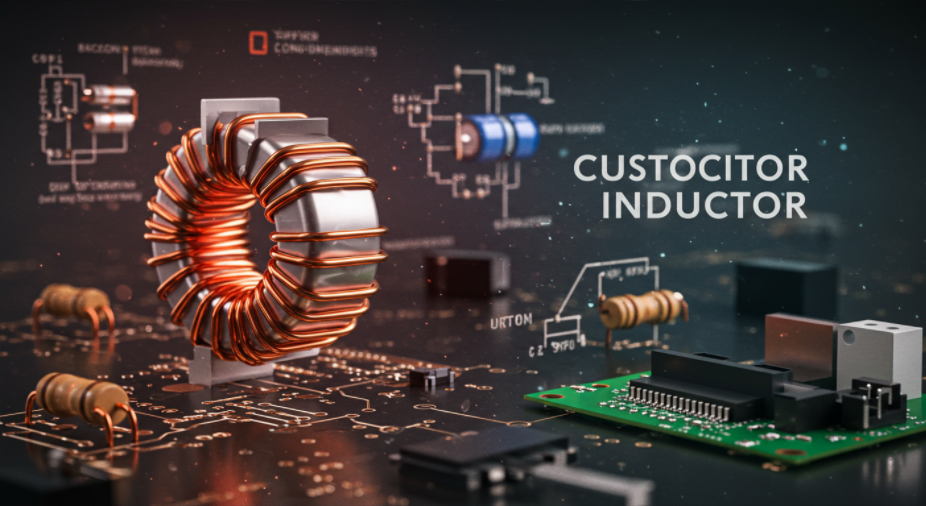
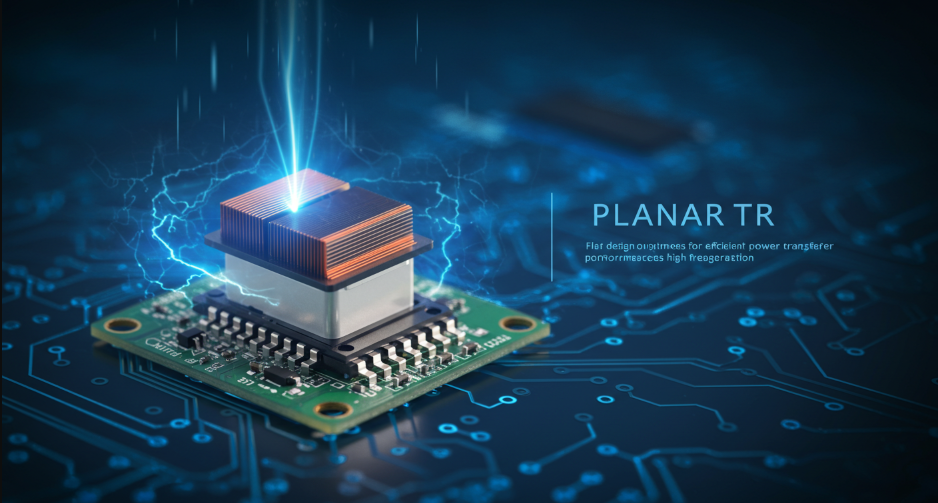
In the design field of high - frequency transformers and inductors, the introduction of an air gap in the magnetic core is a crucial yet delicate technique that requires careful trade - offs. The presence of an air gap not only significantly impacts magnetic properties but also has close relations with thermal stability and efficiency.
Air - Gap Design in High - Frequency Transformers: Trade - offs among Magnetic, Thermal, and Efficiency Aspects