Overcoming Distance Limitations with PoE Using Transformer Technology Overcoming Distance Limitations with PoE Using Transformer Technology
2024-06-22
Understanding Distance Limits
Standard PoE technology, as specified by IEEE 802.3af and IEEE 802.3at (PoE+), limits power and data transmission to a maximum distance of 100 metres (approximately 328 feet). The main reason for this limitation is the resistance of Ethernet cables, which causes power loss and signal attenuation over longer distances.
The Role of PoE Transformers
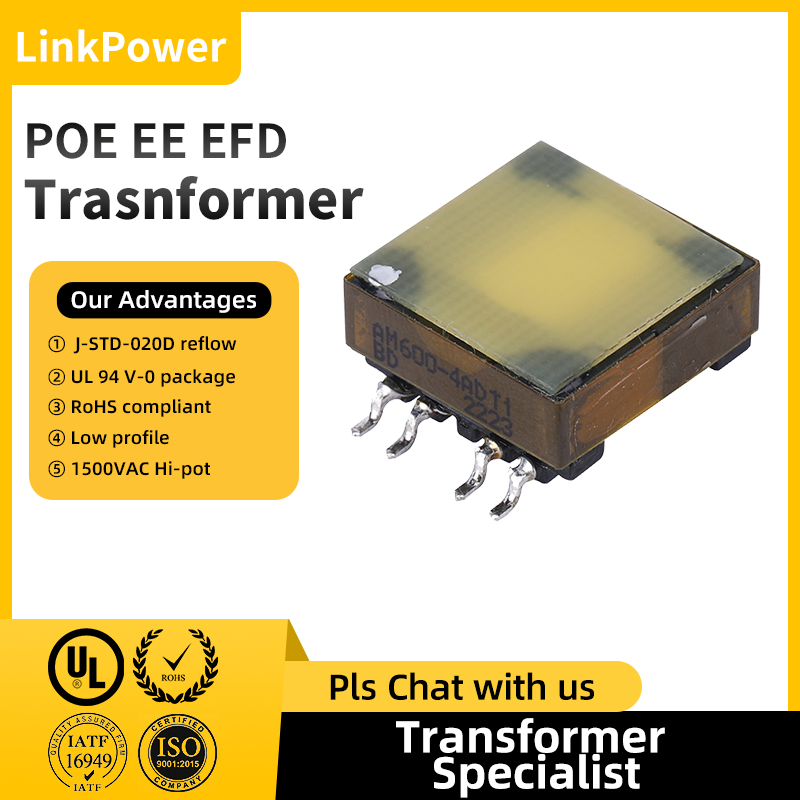
PoE transformers play a vital role in managing the power and data signals transmitted over Ethernet cables. Recent advances in transformer technology have enabled these devices to overcome the traditional 100 metre limit by improving power efficiency and signal integrity.
Key Innovations in PoE Transformer Technology
Enhanced Efficiency: New transformer designs focus on minimising power loss and improving energy conversion efficiency. These advances ensure that more power is delivered to end devices, even over longer distances.
Signal integrity: By optimising magnetic components and winding technology, modern PoE transformers maintain signal integrity over longer distances. This reduces the need for additional repeaters or amplifiers in the network.
Compact design: Innovations in materials and engineering have made transformers more compact and lighter in weight. These transformers can be easily integrated into existing network infrastructures without major modifications.
High Power Solution: With the advent of the IEEE 802.3bt standard (also known as PoE++), transformers can now handle higher power levels up to 100 W. This allows support for more power-intensive devices and longer cable runs.
Applications and Benefits
The increased coverage provided by advanced PoE transformers opens up new possibilities for a wide range of industries:
Smart Cities: Urban infrastructures, including street lighting, surveillance cameras and traffic management systems, can benefit from the extended coverage of PoE, reducing the need for multiple power supplies and simplifying installation.
Industrial Automation: Factories and warehouses can deploy PoE-powered sensors and controllers over a wider area without worrying about power constraints, improving operational efficiency and reducing costs.
Education and Healthcare: Large campuses and healthcare facilities can improve service delivery and operations management by ensuring reliable power and data connectivity for critical applications.
Future Outlook
As research and development of PoE transformer technology continues to advance, the industry can expect further improvements in efficiency, power transfer and distance capabilities. These advances will not only overcome current limitations, but also pave the way for a more robust and scalable network infrastructure.
Conclusion
Innovations in PoE transformer technology are addressing a key limitation of PoE systems - the 100 metre distance cap. By improving efficiency, maintaining signal integrity and supporting higher power levels, these transformers extend the reach and versatility of PoE networks. As industries continue to adopt and integrate these advancements, the future of PoE looks brighter, enabling broader and more efficient network deployments.
Breakthrough in Maximum PoE Cable Length: Innovations in Transformer Technology
Transformative Advances in PoE Signal Transformers: Enhancing Network Efficiency and Integration
Related Article
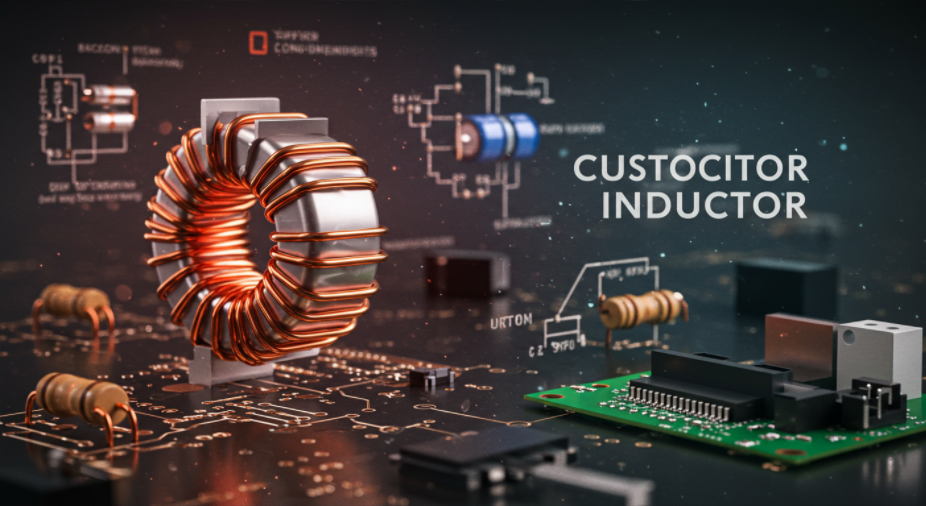
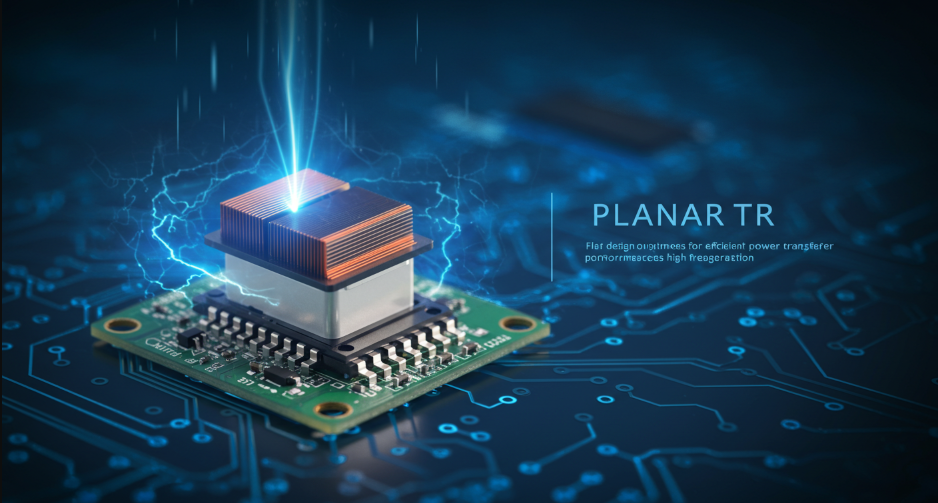
In the design field of high - frequency transformers and inductors, the introduction of an air gap in the magnetic core is a crucial yet delicate technique that requires careful trade - offs. The presence of an air gap not only significantly impacts magnetic properties but also has close relations with thermal stability and efficiency.
Air - Gap Design in High - Frequency Transformers: Trade - offs among Magnetic, Thermal, and Efficiency Aspects