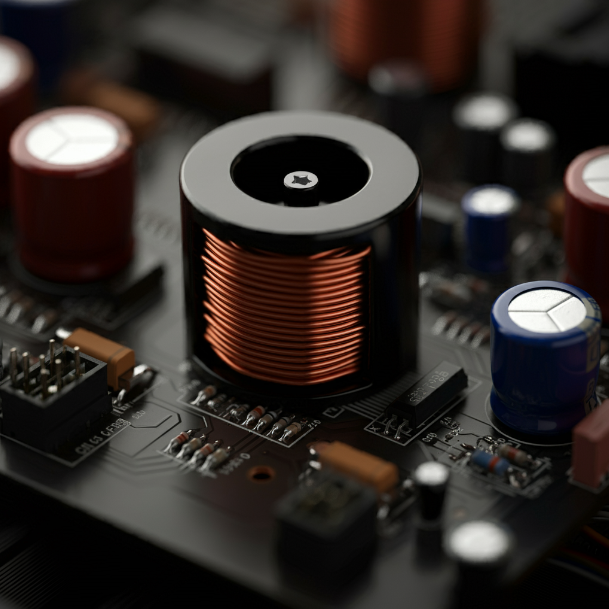
Advances and Trends in Power over Ethernet Transformers
2024-06-28
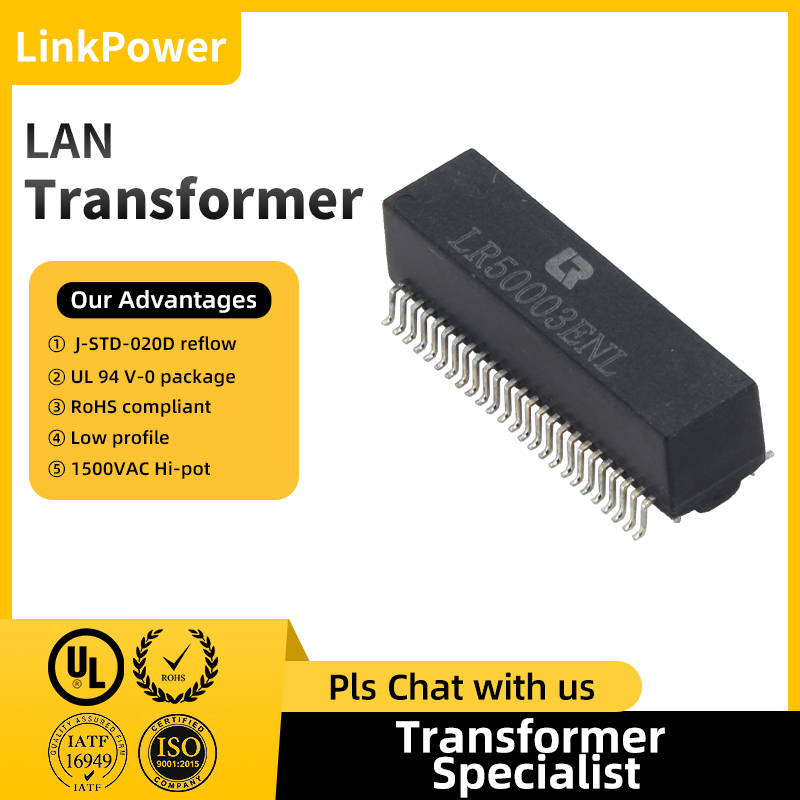
Technological Advances in PoE Transformers
Recent advances in PoE transformer technology have greatly improved their performance and efficiency:
Enhanced Power Handling: Modern PoE transformers can handle higher power levels, supporting the latest PoE standards such as IEEE 802.3bt, and delivering up to 60W or even 100W of power per port. This advancement can power more demanding devices such as PTZ cameras and high-performance wireless access points.
Improved Efficiency: Advances in materials and design have improved the efficiency of PoE transformers by reducing core and copper losses. This improvement is critical to minimising heat generation and improving the overall energy efficiency of PoE systems.
Compact Design: As network equipment becomes more compact, PoE transformers are designed to fit into smaller spaces without compromising performance. This miniaturisation is critical for integrating PoE technology into more devices, including IoT sensors and smart home gadgets.
Rugged and Reliable: Modern PoE transformers are built to withstand harsh environmental conditions, ensuring reliable operation in industrial and outdoor environments. Enhanced durability and longevity make them suitable for a wide range of applications.
Market Trends and Impact
The PoE transformer market is expanding rapidly, driven by several key trends:
Increasing adoption of PoE technology: The use of PoE technology is growing in various fields such as commercial buildings, industrial automation, and smart cities. The ability to transmit both power and data over a single cable simplifies installation and reduces costs, making PoE an attractive option for network expansion.
Growth of IoT devices: The proliferation of IoT devices is driving the demand for PoE transformers. From smart lighting systems to security cameras and environmental sensors, PoE technology provides a reliable and scalable power solution for connected devices.
Expansion of Wireless Networks: Deployment of wireless access points is increasing to meet the growing demand for connectivity, and PoE transformers provide power and data over Ethernet cables, eliminating the need for separate power supplies and enabling seamless installation of these access points.
The emergence of smart buildings: Smart building technology is transforming commercial properties by integrating advanced systems such as lighting, HVAC, security, etc. PoE transformers play a vital role in powering these systems, helping to improve energy efficiency and reduce operating costs.
Advances in PoE Standards: The development of new PoE standards, such as IEEE 802.3bt, is driving the need for more advanced PoE transformers. These standards support higher power transfer, enabling PoE to be used in a wider range of applications and more powerful devices.
Future Outlook
The future of PoE transformers is promising, with ongoing innovation expected to further enhance their capabilities. R&D efforts are likely to focus on the following areas:
Higher power capacity: Developing transformers that can handle higher power levels to support emerging applications and technologies.
Improved energy efficiency: Continuing to reduce losses and improve efficiency to meet the growing demand for sustainable and energy-efficient solutions.
Integrate and Modularise: Create more integrated and modular PoE solutions to simplify network design and installation.
Cost Reduction: Find ways to reduce manufacturing costs while maintaining high performance to make PoE technology more ubiquitous.
In summary, PoE transformers are an essential part of modern network infrastructure, enabling the efficient and reliable transmission of power and data over Ethernet cables. As PoE technology continues to grow in popularity, these transformers will play a key role in shaping the future of connectivity and powering the next generation of network devices.
Improved energy efficiency: Continuing to reduce losses and improve efficiency to meet the growing demand for sustainable and energy-efficient solutions.
Integrate and Modularise: Create more integrated and modular PoE solutions to simplify network design and installation.
Cost Reduction: Find ways to reduce manufacturing costs while maintaining high performance to make PoE technology more ubiquitous.
In summary, PoE transformers are an essential part of modern network infrastructure, enabling the efficient and reliable transmission of power and data over Ethernet cables. As PoE technology continues to grow in popularity, these transformers will play a key role in shaping the future of connectivity and powering the next generation of network devices.
Innovations in Network Power Transformers: Improving Efficiency and Reliability
High Power High Frequency Transformers: Driving the Future of Power Electronics
Related Article
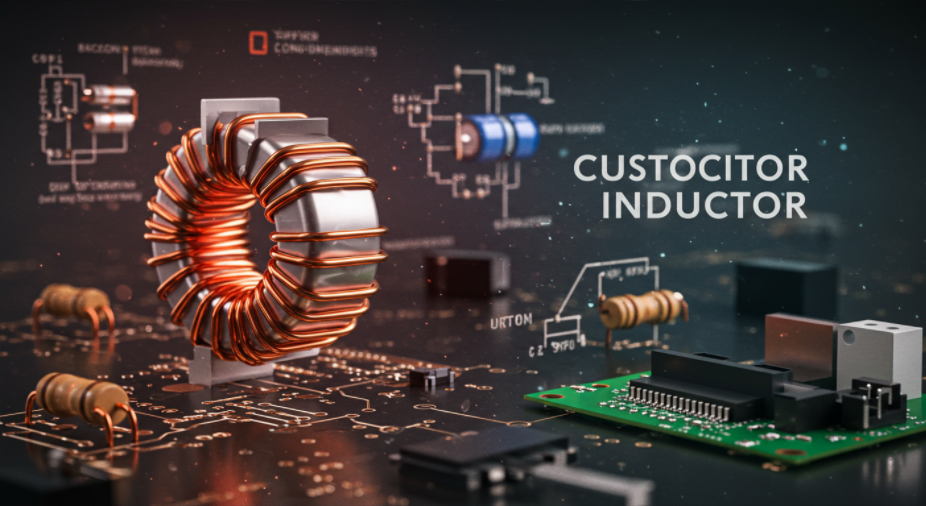
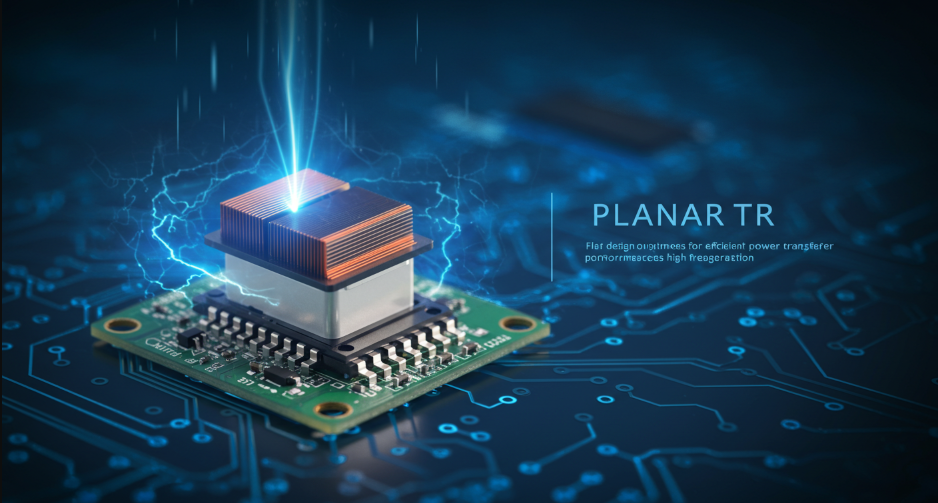
In the design field of high - frequency transformers and inductors, the introduction of an air gap in the magnetic core is a crucial yet delicate technique that requires careful trade - offs. The presence of an air gap not only significantly impacts magnetic properties but also has close relations with thermal stability and efficiency.
Air - Gap Design in High - Frequency Transformers: Trade - offs among Magnetic, Thermal, and Efficiency Aspects