Step-Down Transformers: The Key to Efficient Power Distribution
2024-07-04
The role of step-down transformers
Step-down transformers are vital in power systems and perform the following functions:
Voltage Reduction: Converts high voltage power on transmission lines to lower voltages suitable for distribution to residential, commercial and industrial customers.
Safety: Reduces electrical hazards by lowering voltage levels into safe ranges.
Reliability: Ensures a constant and stable power supply by effectively managing voltage levels.
Safety: Reduces electrical hazards by lowering voltage levels into safe ranges.
Reliability: Ensures a constant and stable power supply by effectively managing voltage levels.
Advances in step-down transformer technology
Improved core materials: The use of advanced core materials such as amorphous steel and high-permeability silicon steel significantly reduces core losses and improves the overall efficiency of step-down transformers. These materials reduce hysteresis and eddy current losses, resulting in improved performance and reduced energy consumption.
Enhanced insulation systems: Innovations in insulation materials and technologies have improved the dielectric strength and thermal stability of step-down transformers. Modern insulation systems such as high-temperature polymers and epoxy resins ensure reliable operation and longevity of the transformer under various load conditions.
Digital monitoring and diagnostics: The integration of digital sensors and monitoring systems enables real-time diagnostics and predictive maintenance. These smart transformers continuously monitor parameters such as temperature, humidity and electrical performance, providing valuable data for optimising operation and preventing failures.
Compact and modular design: Advances in design and manufacturing technology have led to more compact and modular step-down transformers. These designs allow for easy transport, installation and maintenance, as well as greater flexibility in deployment.
Cross-industry applications
Step-down transformers are critical in a variety of applications across multiple industries:
Residential and commercial power supply: Reducing high voltage power in the grid to safe and usable levels for homes, offices and commercial organisations.
Industrial applications: Providing appropriate voltage levels for heavy machinery and equipment in manufacturing, mining and other industrial operations.
Infrastructure and Urban Development: Supporting the power needs of urban infrastructure, including transport systems, public buildings and street lighting.
Renewable energy systems: Converting high-voltage electricity generated by renewable energy sources, such as solar panels and wind turbines, into low-voltage electricity for grid connection and local use.
Industrial applications: Providing appropriate voltage levels for heavy machinery and equipment in manufacturing, mining and other industrial operations.
Infrastructure and Urban Development: Supporting the power needs of urban infrastructure, including transport systems, public buildings and street lighting.
Renewable energy systems: Converting high-voltage electricity generated by renewable energy sources, such as solar panels and wind turbines, into low-voltage electricity for grid connection and local use.
Future trends in step-down transformer technology
There are several key trends for the future of step-down transformer technology:
Improving Efficiency: Ongoing research is aimed at further reducing losses and improving the efficiency of step-down transformers, thereby contributing to overall energy savings and lower operating costs.
Sustainable materials and practices: Development of environmentally friendly materials and manufacturing processes to reduce the environmental impact of transformers, including the use of biodegradable insulating fluids and recyclable materials.
Smart Grid and Integration: Integration with smart grid technologies to improve grid reliability, stability and efficiency. Step-down transformers will play a key role in the dynamic management of power flows and load balancing.
Advanced Cooling Systems: Innovations in cooling technologies, such as improved oil and air cooling systems, to manage the heat generated by high-voltage operation and ensure transformer life and reliability.
Sustainable materials and practices: Development of environmentally friendly materials and manufacturing processes to reduce the environmental impact of transformers, including the use of biodegradable insulating fluids and recyclable materials.
Smart Grid and Integration: Integration with smart grid technologies to improve grid reliability, stability and efficiency. Step-down transformers will play a key role in the dynamic management of power flows and load balancing.
Advanced Cooling Systems: Innovations in cooling technologies, such as improved oil and air cooling systems, to manage the heat generated by high-voltage operation and ensure transformer life and reliability.
Conclusion
Step-down transformers are indispensable for efficient and safe power distribution. Advances in core materials, insulation systems, digital monitoring and design have driven improvements in transformer performance, efficiency and sustainability.
Push-pull transformers: Improving efficiency and reliability in power conversion
Step-up transformers: Powering future high-voltage applications
Related Article
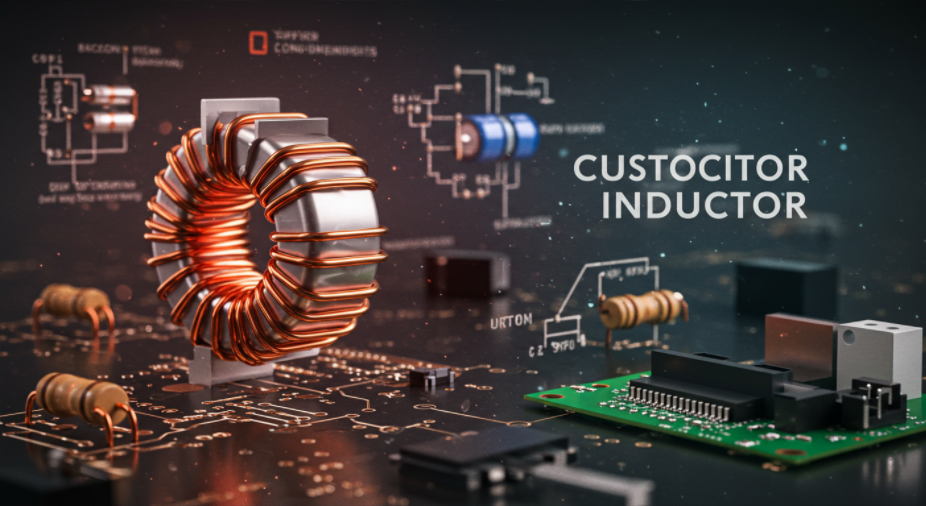
In the design field of high - frequency transformers and inductors, the introduction of an air gap in the magnetic core is a crucial yet delicate technique that requires careful trade - offs. The presence of an air gap not only significantly impacts magnetic properties but also has close relations with thermal stability and efficiency.
Air - Gap Design in High - Frequency Transformers: Trade - offs among Magnetic, Thermal, and Efficiency Aspects