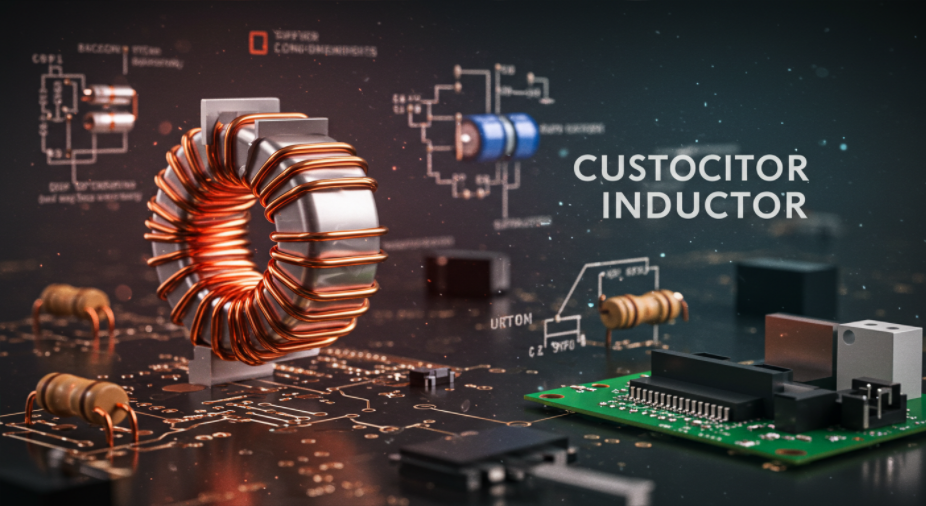
How to Make a Custom Inductor: A Comprehensive Guide
Creating custom inductors is a crucial process for engineers and manufacturers looking to optimize their designs for specific applications. Whether you're working on power supplies, automotive systems, or telecommunications equipment, a custom inductor tailored to your needs can significantly improve system performance and efficiency. In this article, we will walk you through the steps involved in making a custom inductor and how to choose the right materials and components for the job.
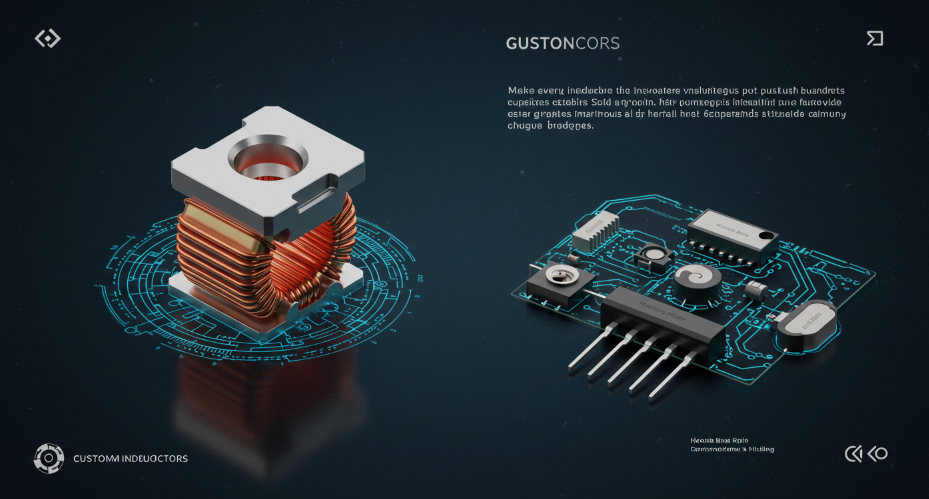
Understanding Custom Inductors
What is a Custom Inductor?
A custom inductor is a specifically designed inductor that meets the exact requirements of an application. Unlike off-the-shelf inductors, custom inductors are tailored to achieve specific inductance values, resistance characteristics, and physical sizes. Custom inductors are essential for ensuring optimal performance in systems where standard inductors cannot meet the technical specifications.
Why Choose a Custom Inductor?
Custom inductors are often required when standard components do not offer the necessary performance, particularly in high-frequency or high-power applications. Custom designs ensure that your inductor will handle the electrical load without loss of signal integrity, reduce energy loss, and enhance the overall efficiency of the system.
Step-by-Step Guide: How to Make a Custom Inductor
1. Define Your Requirements
The first step in creating a custom inductor is to define your specifications. This includes:
- Inductance Value: How much inductance is needed for your application? It’s crucial to determine the right value based on your system's needs.
- Size and Shape: Depending on the available space in your design, you'll need to decide on the physical dimensions of the inductor.
- Operating Frequency: Different inductors perform better at specific frequencies. Ensure that the material and design are compatible with your system's frequency range.
- Current Rating: The inductor must handle the required current without saturating.
2. Choose the Right Materials
The materials you choose for your custom inductor play a significant role in its performance. Common materials used include:
- Magnetic Cores: Ferrite cores are commonly used for high-frequency applications, while iron powder cores are better for power applications.
- Wire Gauge: The wire size impacts the current capacity and efficiency of the inductor.
- Insulation: Proper insulation is essential for preventing short circuits and ensuring the inductor’s longevity.
3. Design the Inductor
Once the specifications and materials are chosen, the next step is designing the custom inductor. This involves determining the winding configuration, number of turns, and the core geometry. The design process requires careful attention to the inductance, resistance, and frequency behavior to ensure the inductor will function optimally within the system.
For high-performance inductors, you may need to consider the possibility of custom molding choke options to improve the mechanical stability and performance of the component. Custom molding helps in controlling the physical structure of the choke, offering better reliability and durability in various applications.
4. Choose an Inductor Manufacturer
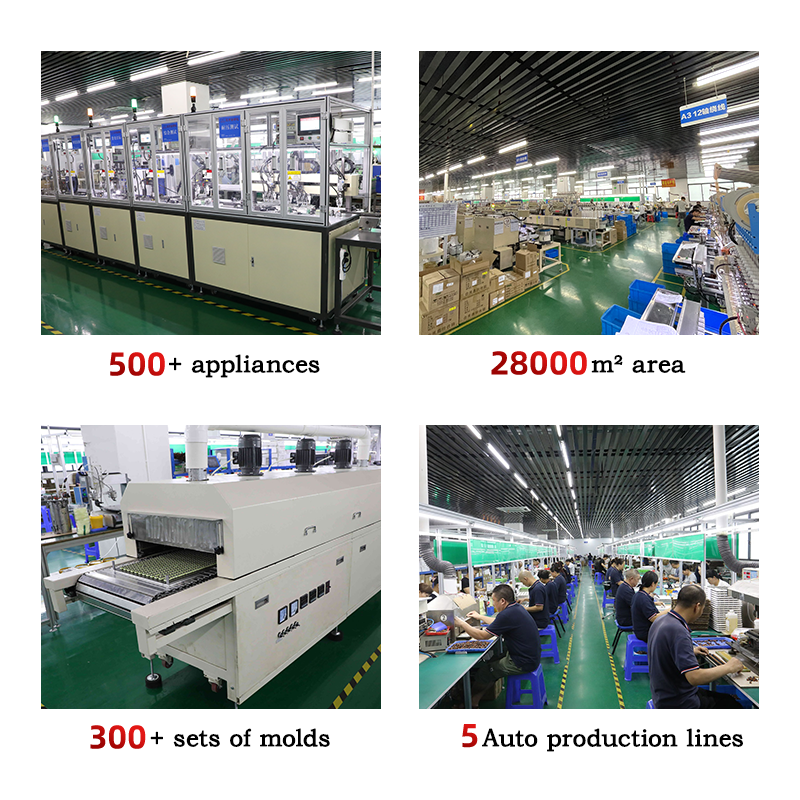
Working with the right inductor manufacturer is crucial for ensuring the precision and quality of your custom inductors. A reputable manufacturer with expertise in producing custom inductors will use advanced manufacturing techniques to meet your exact specifications. They should also offer flexibility in terms of prototype creation and small-volume production runs, allowing you to test and refine your designs before full-scale production.
5. Test and Optimize
Before finalizing the design, it's essential to test the custom inductor to ensure it meets all performance requirements. Testing typically involves checking:
- Inductance: Ensure the inductor's inductance value is accurate.
- Saturation: Check the inductor’s behavior under high current loads.
- Efficiency: Measure energy loss during operation.
- Thermal Performance: Ensure the inductor can handle temperature changes in the system.
After testing, the inductor may need some fine-tuning to optimize its performance in the application.
Benefits of Custom Inductors
Improved Efficiency
Custom inductors are specifically designed to work with your system’s power requirements, ensuring optimal energy transfer and minimal loss. This leads to greater system efficiency and helps reduce overall energy consumption.
Space-Saving Design
Custom inductors can be designed to fit within the available space in your system, whether it's a compact circuit board or a more complex mechanical assembly. This space-saving design is essential for industries where space is limited, such as automotive or telecommunications.
Enhanced Performance
By tailoring the inductor to your application, you can achieve better overall performance. Custom inductors are built to meet the demands of high-speed, high-power, or high-frequency systems, offering superior signal integrity and power delivery.
Conclusion
Creating a custom inductor requires careful planning, material selection, and design expertise. With the right approach and the help of an experienced inductor manufacturer, you can develop an inductor that perfectly fits your application. Whether you're in need of custom molding choke solutions or designing for high-frequency circuits, custom inductors offer a tailored solution to enhance the efficiency and performance of your system.
At LINK-POWER, we specialize in providing custom inductors designed to meet your unique specifications. Our team of engineers works closely with clients to deliver high-quality, reliable inductors for a variety of applications. Contact us today to discuss your project and get started with your custom inductor solution.
How to Choose the Right RJ45 Pass-Through Connector for Your Needs
Unlocking the Power of Common Mode Chokes in Modern Electronics
Related Article