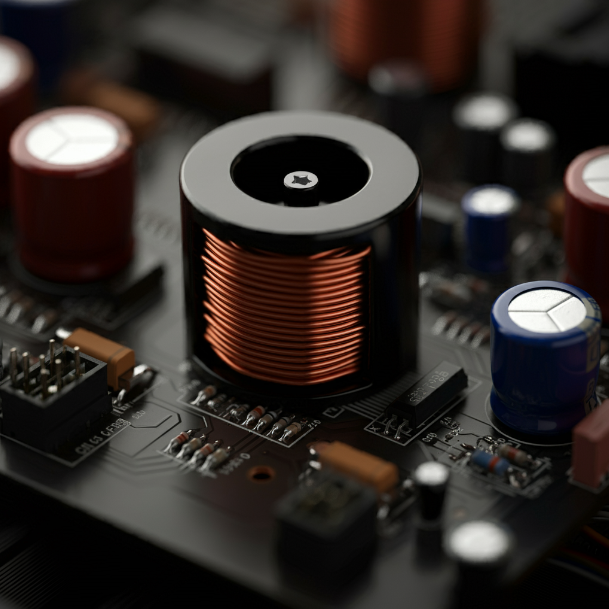
Advances in POE Efficient Transformers: Paving the Way for Greener, More Efficient Power Solutions
2024-06-22
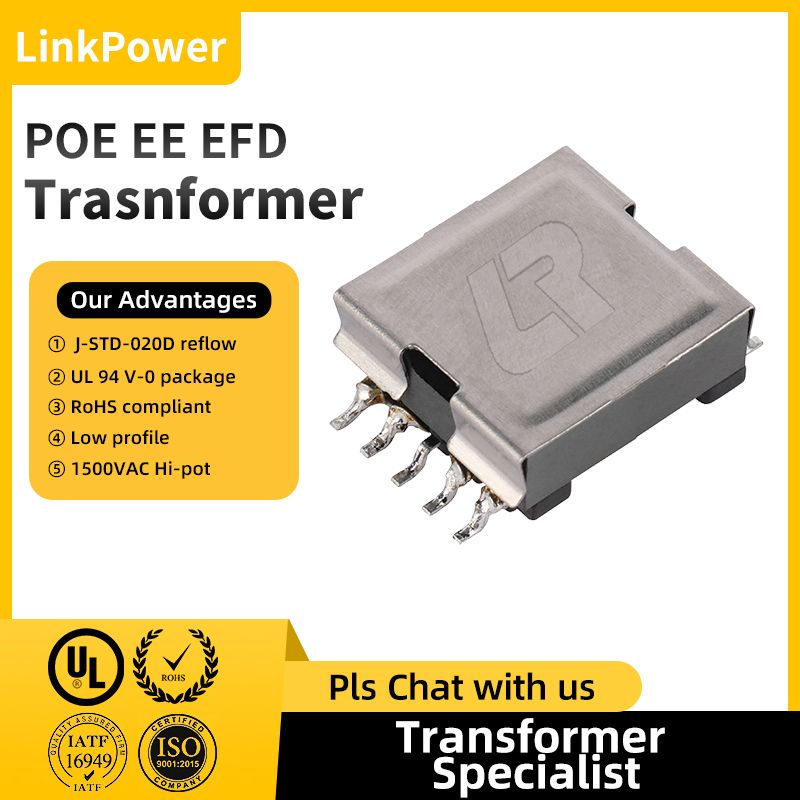
Growing Demand for Efficient Power Solutions
The growing reliance on connected devices, fuelled by the Internet of Things (IoT), smart home technologies and expansive data networks, has highlighted the need for more efficient power solutions. Traditional methods of power delivery often result in significant energy loss, leading to higher operating costs and environmental impact. High-efficiency POE transformers address these challenges by providing a leaner, more energy-efficient approach to power distribution.
Technical Innovations and Benefits
The latest innovations in POE high-efficiency transformers focus on increasing energy conversion rates and reducing energy losses. These transformers are designed to minimise heat generation, thereby increasing their operational life and reliability. Key benefits of these advanced technologies include
Improved Energy Efficiency: Modern POE transformers offer energy efficiency levels in excess of 95 per cent, significantly reducing energy wastage compared to traditional power supplies.
Cost savings: By optimising energy use, businesses can reduce electricity bills and reduce the need for expensive cooling systems, which are often required to manage the heat generated by less efficient power systems.
Compact and lightweight design: Advances in materials and engineering have made transformers more compact and lighter, making them easier to integrate into a variety of applications without compromising performance.
Sustainability: High-efficiency POE transformers contribute to sustainability goals by reducing the overall carbon footprint of the power system. Their efficient operation reduces the need for power plants, thereby lowering greenhouse gas emissions.
Industry Applications and Adoption
The adoption of high-efficiency POE transformers is gaining momentum in a number of industries. In data centres, where energy consumption is a key issue, these transformers play a pivotal role in improving the efficiency and reliability of power distribution. Similarly, in smart buildings, POE technology enables the seamless integration of various systems such as lighting, security and HVAC, all of which are powered through a single Ethernet cable.
In addition, the telecoms industry is utilising high efficiency POE transformers to support the growing network infrastructure required for 5G deployments. These transformers ensure efficient power delivery to remote network nodes, thereby reducing energy consumption and operating costs.
Future Outlook
The development of high-efficiency POE transformers is expected to accelerate as the demand for efficient and sustainable power solutions continues to grow. Current R&D efforts are focused on further increasing efficiency levels, reducing costs and expanding the range of applications. The convergence of advanced materials and smart technologies is likely to drive the next wave of innovation in this area.
In short, high-efficiency POE transformers are leading the way in driving greener, more efficient power solutions. With the ability to save significant amounts of energy, as well as environmental benefits, high-efficiency POE transformers are an important part of the evolving power distribution landscape. As industries continue to prioritise sustainability and efficiency, the use of these advanced transformers will become more widespread, paving the way for a more sustainable future.
Industry News on PoE Injector Transformers
Regulated Power Supply Transformers Improve Stability and Efficiency
Related Article
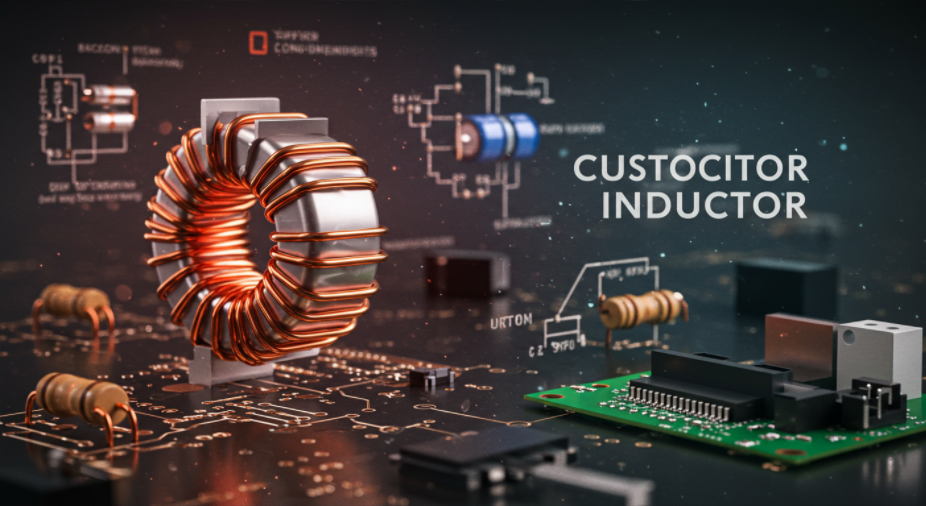
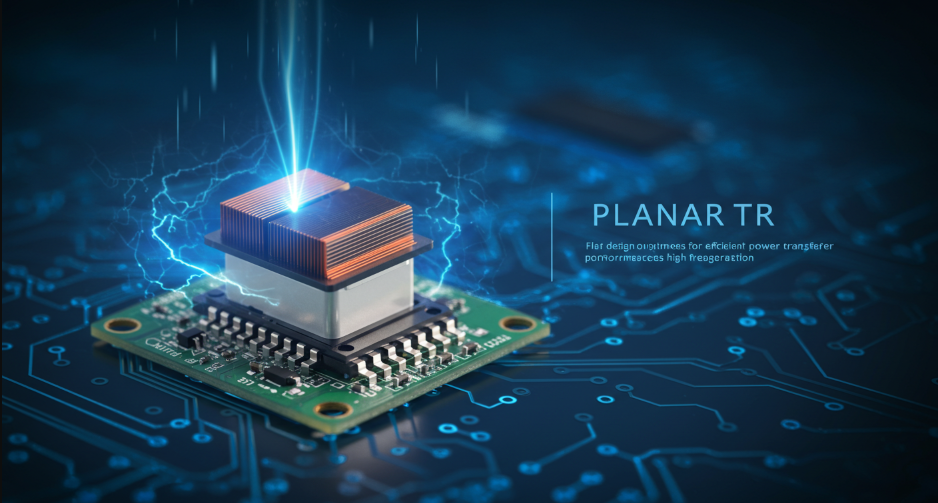
In the design field of high - frequency transformers and inductors, the introduction of an air gap in the magnetic core is a crucial yet delicate technique that requires careful trade - offs. The presence of an air gap not only significantly impacts magnetic properties but also has close relations with thermal stability and efficiency.
Air - Gap Design in High - Frequency Transformers: Trade - offs among Magnetic, Thermal, and Efficiency Aspects