What is xDSL? Understanding the Technology Behind Modern Broadband
In an era dominated by high-speed internet, xDSL technology has emerged as a cornerstone of modern broadband services. But what exactly is xDSL, and why is it so important in today’s connected world? This guide breaks down the basics of xDSL, its various types, and its critical role in enabling seamless digital communication.
What Does xDSL Stand For?
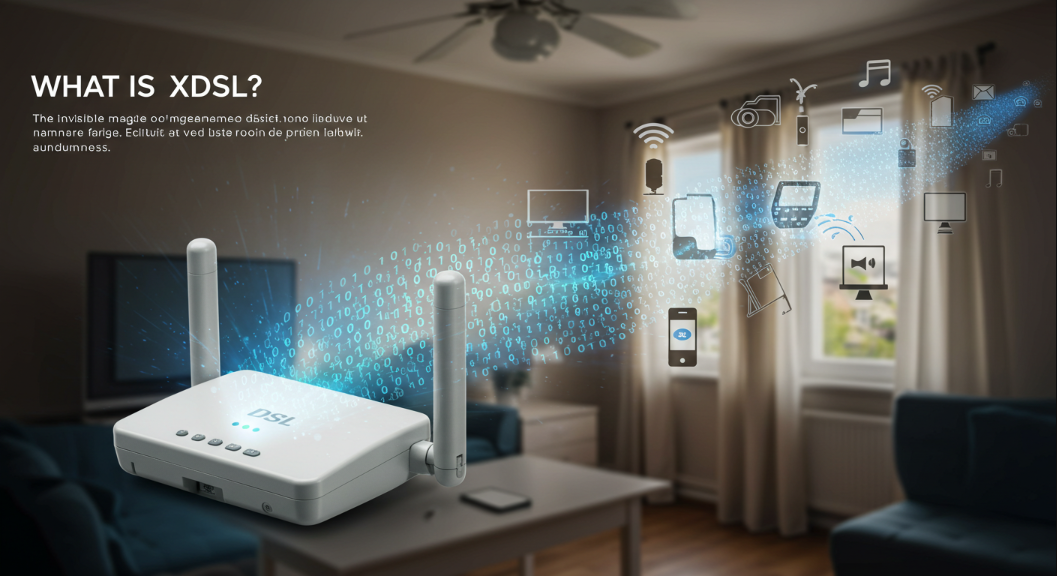
xDSL, or Digital Subscriber Line, is a family of technologies designed to transmit digital data over traditional copper telephone lines. The "x" in xDSL represents the various types of DSL technologies, such as ADSL (Asymmetric DSL), VDSL (Very-high-bit-rate DSL), and SDSL (Symmetric DSL).
Unlike dial-up connections, xDSL allows simultaneous voice and data transmission, making it a more versatile and efficient solution for broadband internet.
Types of xDSL Technologies
-
ADSL (Asymmetric DSL)
- Speed: Faster download speeds than upload speeds.
- Usage: Ideal for residential users who consume more data than they upload, such as streaming or browsing.
-
SDSL (Symmetric DSL)
- Speed: Equal download and upload speeds.
- Usage: Common in businesses requiring stable upload and download rates for video conferencing or data backup.
-
VDSL (Very-high-bit-rate DSL)
- Speed: Significantly higher speeds than ADSL, ideal for HD streaming and online gaming.
- Usage: Typically used in areas close to the internet service provider’s exchange.
-
HDSL (High-bit-rate DSL)
- Speed: High-speed data transmission over multiple copper lines.
- Usage: Used primarily in enterprise environments.
-
G.fast
- Speed: Ultra-high-speed broadband over short copper line distances.
- Usage: Bridges the gap between fiber and traditional DSL for high-demand areas.
How Does xDSL Work?
xDSL technology utilizes the unused frequency spectrum of copper telephone lines to transmit digital data. Filters and splitters are employed to separate voice and data signals, allowing users to enjoy uninterrupted internet and telephone services simultaneously.
This method is particularly effective in areas where laying fiber-optic cables is impractical or cost-prohibitive, making xDSL a popular choice for rural and suburban regions.
Advantages of xDSL
- Cost-Effective: Leverages existing copper infrastructure, reducing the need for expensive upgrades.
- Wide Availability: Accessible in many regions, even where fiber-optic networks are unavailable.
- Scalable: Can adapt to various user needs, from basic internet browsing to high-demand enterprise applications.
Challenges of xDSL
While xDSL offers numerous benefits, it also comes with certain limitations:
- Distance Sensitivity: Performance decreases as the distance from the service provider’s exchange increases.
- Interference: Signal quality can be affected by external noise or older copper wiring.
- Limited Bandwidth: Fiber-optic connections provide faster and more consistent speeds compared to xDSL.
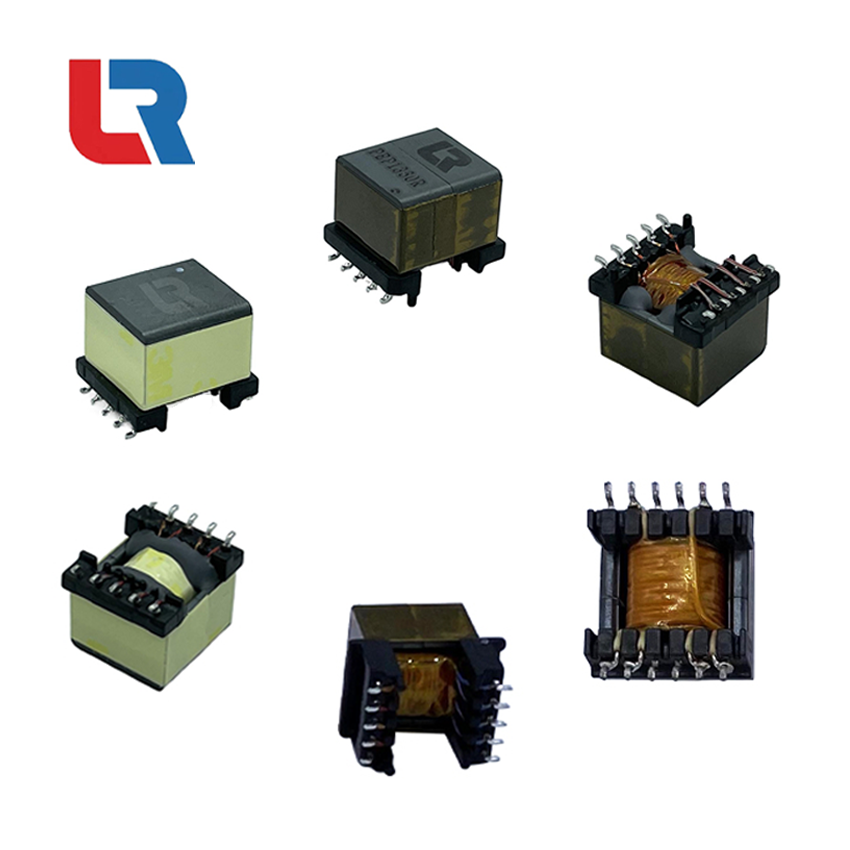
The Role of xDSL Transformers
To ensure optimal performance, xDSL systems rely on high-quality transformers. xDSL Transformers are crucial for:
- Signal Isolation: Preventing interference and maintaining clear communication.
- Noise Reduction: Suppressing external noise for a stable connection.
- High-Frequency Performance: Supporting the demands of advanced DSL technologies like VDSL and G.fast.
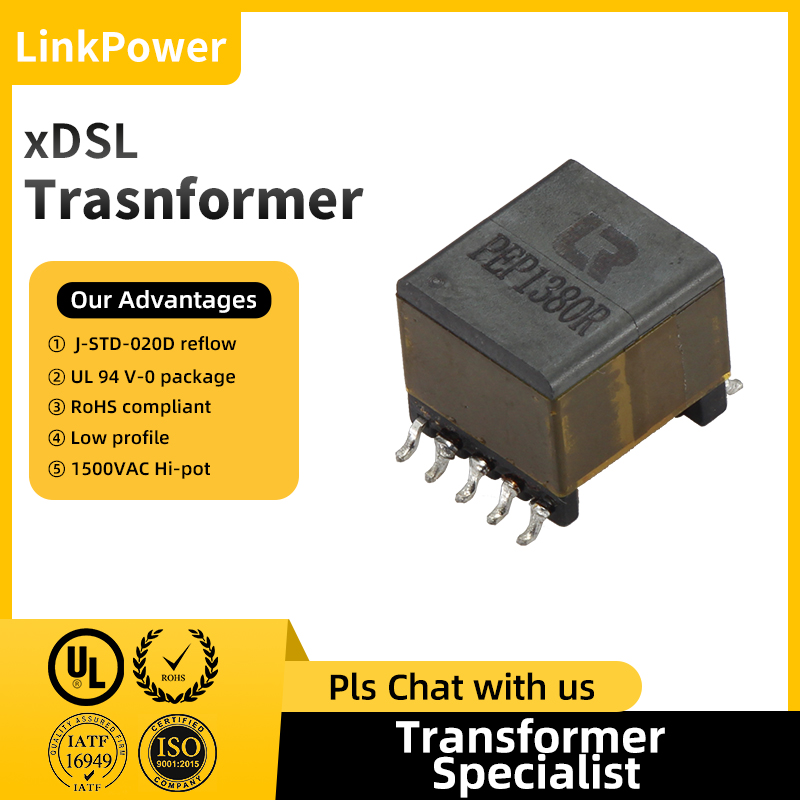
Why Choose Link-Power’s xDSL Transformers?
At Link-Power, we specialize in manufacturing top-tier xDSL transformers designed to meet the unique demands of broadband systems. Our transformers offer:
- Superior noise suppression for uninterrupted data transmission.
- High-frequency handling to support modern DSL technologies.
- Durable construction for long-term reliability in varied environments.
As a trusted partner in broadband innovation, Link-Power ensures your xDSL systems deliver exceptional performance and reliability.
Conclusion
xDSL technology continues to be a vital solution for high-speed internet access, bridging the gap between traditional infrastructure and modern broadband needs. With advancements in xDSL and the support of reliable components like transformers, this technology remains a cornerstone of global connectivity.
Elevate your xDSL systems with Link-Power’s xDSL Transformers, designed to power the future of broadband.
Power Transformers for DC/DC Converters: The Backbone of Modern Power Systems
Understanding the Components of EMS in Electric Vehicles (EVs)
Related Article