What Is a Common Mode Choke? Understanding Its Role in Modern Electronics
In the world of electronics, where precision and reliability are paramount, electromagnetic interference (EMI) can be a major disruptor. This is where the common mode choke (CMC) steps in as an unsung hero, ensuring that devices function without interruptions caused by electrical noise. Whether you're using a smartphone, working in industrial automation, or relying on renewable energy systems, the CMC plays a vital role in safeguarding your electronic equipment and systems.
If you're new to the term or wondering why it’s so important in modern electronics, this blog will break down what a common mode choke is, how it works, and why it’s critical for the reliability of your devices.

What Is a Common Mode Choke?
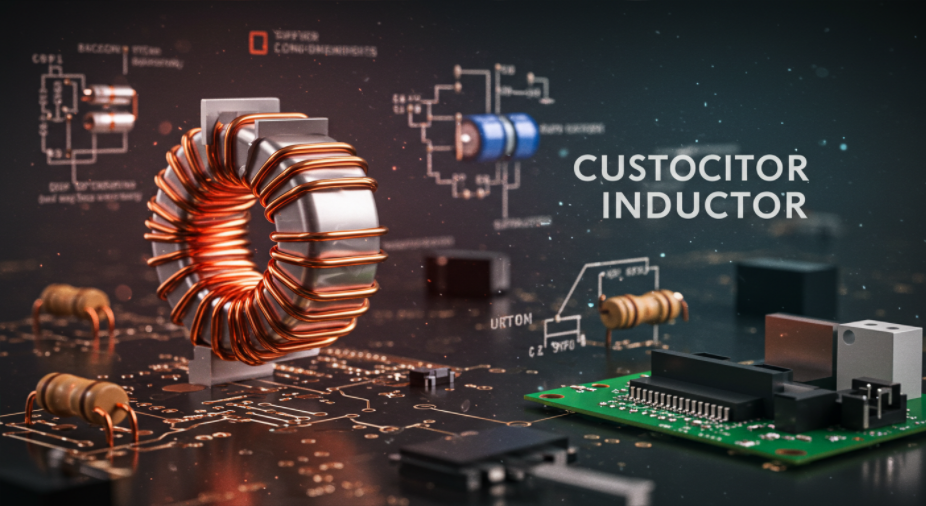
At its core, a common mode choke is a passive electronic component that filters out unwanted electromagnetic interference (EMI) in circuits, especially in communication and power lines. It does this by allowing desired signals to pass through while blocking noise and interference from external sources. CMCs are typically made of a wound coil or wire wound around a core, which can be made of ferrite, iron powder, or other magnetic materials.
When placed in a circuit, common mode chokes work by reducing or eliminating unwanted noise and preventing the interference from entering sensitive areas of a system. The noise typically affects common-mode signals (signals that appear on both wires of a circuit), while the differential-mode signals (signals that differ between wires) remain unaffected.
How Do Common Mode Chokes Work?
Common mode chokes function through inductive coupling, which allows them to filter noise and interference without disrupting the normal operation of the system. Here’s how they work:
- Inductive Filtering: CMCs create an inductive impedance that blocks high-frequency common-mode signals from passing through the circuit.
- Current and Voltage Management: They suppress electromagnetic radiation and current noise, ensuring that only the desired differential-mode signals (the intended data or power) pass through.
- Magnetic Core Function: The choke is wound around a magnetic core, which helps direct the interference to a ground or neutral point, thereby eliminating the unwanted noise.
By doing so, CMCs ensure that the signal integrity of your electronic devices and systems is maintained, thus increasing their efficiency and lifespan.

Why Are Common Mode Chokes Important?
-
Preventing Electromagnetic Interference (EMI):
EMI is one of the biggest threats to modern electronics. It can cause poor performance, data corruption, and even system failure. Common mode chokes filter out this interference and ensure that sensitive equipment operates smoothly. -
System Reliability:
Without CMCs, electrical noise could compromise the functionality of important components such as processors, memory chips, and even communication equipment. By preventing this interference, CMCs help increase the reliability of electronic systems. -
Regulatory Compliance:
Many industries, particularly telecommunications and automotive, require strict adherence to electromagnetic compatibility (EMC) standards. CMCs help companies meet these regulatory requirements by reducing the EMI levels produced by their equipment. -
Improved Device Lifespan:
By reducing the stress caused by EMI on electronic components, CMCs help extend the lifespan of devices and reduce the need for costly repairs or replacements.
Applications of Common Mode Chokes
Common mode chokes are used across various industries and applications to improve the performance and reliability of electronic devices. Here are some common uses:
-
Consumer Electronics:
From mobile phones and laptops to home appliances, common mode chokes prevent EMI and ensure smooth, uninterrupted operation. -
Industrial Automation:
In factories, industrial equipment like motors, sensors, and controllers generate significant electromagnetic interference. CMCs filter out this noise to ensure the safe and reliable operation of machinery and data transmission systems. -
Automotive Systems:
With modern vehicles becoming more connected and reliant on advanced electronics, CMCs are crucial for preventing EMI that could affect systems like GPS, infotainment, and safety features. -
Telecommunications:
For data transmission and communication systems, CMCs ensure the stability and integrity of signals, preventing data loss or corruption from EMI. -
Renewable Energy Systems:
In solar power systems and wind turbines, CMCs help reduce the noise generated by fluctuating power levels, ensuring that energy is efficiently transferred to the grid.

Key Features of High-Quality Common Mode Chokes
When selecting or designing a common mode choke, it's important to consider the following characteristics to ensure it meets the requirements of your specific application:
- High Impedance: Effective at blocking high-frequency noise across a wide range of frequencies.
- Thermal Stability: Essential for operation in environments with fluctuating temperatures, such as automotive or industrial systems.
- Compact Size: Modern devices require space-efficient solutions, and compact CMCs can be integrated into small-scale devices without sacrificing performance.
- Low Leakage Inductance: Minimizes energy losses and improves efficiency by reducing leakage current.
- Custom Designs: Customizable to meet the specific needs of unique applications, whether for consumer electronics, telecommunications, or industrial equipment.
Innovations in Common Mode Chokes
The industry continues to innovate to meet the growing demands for smaller, more efficient, and more reliable electronic components. Some exciting trends shaping the future of common mode chokes include:
-
Miniaturization:
As devices become smaller and more powerful, CMCs are being designed to fit into tighter spaces while maintaining their effectiveness at filtering out EMI. -
New Materials:
Advances in magnetic core materials, such as nanocrystalline alloys and high-performance ferrites, provide superior EMI suppression with reduced size and weight. -
Automation in Manufacturing:
Automated production techniques are making it easier to produce high-performance common mode chokes more consistently and at lower costs, making them accessible for a wider range of applications. -
Smart Integration:
In IoT devices, common mode chokes are being integrated into smarter systems that can dynamically adjust their filtering capabilities based on environmental conditions.

Why Choose Link-Power for Common Mode Chokes?
At Link-Power, we understand the vital role that common mode chokes play in modern electronics. That’s why we’ve spent over 15 years perfecting the design and manufacturing of high-quality CMCs that are tailored to meet the unique needs of our customers. Here’s why you should choose Link-Power:
- Custom Solutions: We offer both standard and customized CMCs to meet the specific needs of your application.
- Proven Performance: Our products meet global EMC standards, ensuring that they perform reliably in the most demanding environments.
- Superior Quality: Each component undergoes rigorous testing to ensure durability, efficiency, and stability.
- Sustainability Commitment: We prioritize eco-friendly materials and manufacturing processes to help reduce environmental impact.
- Comprehensive Support: From product selection to post-sales assistance, we provide full support to ensure your needs are met.
Contact Link-Power Today
Ready to enhance your systems with top-tier common mode chokes? At Link-Power, we’re committed to providing the highest-quality solutions for industries worldwide.
Contact Us today to learn more about how our products can help improve the reliability and performance of your electronic devices and systems.
Custom Inductors: Unlocking Tailored Solutions for Your Electronics
Unlocking High-Speed Connectivity: 2.5G and 5G Ethernet Transformers
Related Article